

Support is available during treatment
Information and tools designed to help ease these feelings and to support you throughout your treatment are available.


Looking for support? We’ve got you covered
Getting a diagnosis can come with many questions and challenges, and it’s normal to feel overwhelmed at times. Pfizer Oncology Together™ is here to offer available support and guidance that you need—when you need it most.
From finding financial assistance options to addressing coverage concerns, Pfizer Oncology Together is here to support you every step of the way.
For live support:
Call 1-877-744-5675 (Monday-Friday 8 AM-8 PM ET)
Support for caregivers
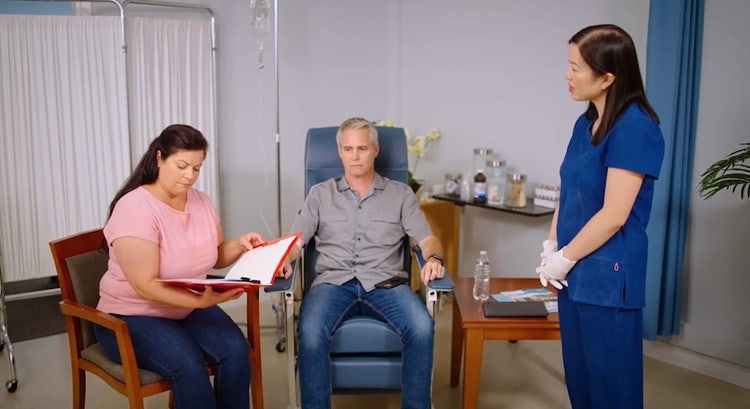
Video Transcript
Caring for a friend or a loved one who has lymphoma can be difficult. The good news is you are not alone, and there are ways you can help not just your loved one, but also yourself along this treatment journey. Caregivers can play many roles, and those roles will likely change depending on your loved one's needs. Some of the most basic ways to help provide care for your loved one during their treatment include giving support and encouragement, helping your loved one with their treatment reminders and appointments, helping with transportation for treatment, helping your loved one manage their symptoms and treatment-related side effects, helping to make meals and complete chores, helping with legal and financial matters, including bills, insurance, and medical documents.
One of the biggest things you can do as a caregiver is to gain knowledge about lymphoma. This includes learning everything you can about the disease, such as what it does in the body, how it may progress, common symptoms, treatment options, how the disease may respond to treatment, and even about expected side effects from treatment.
Consider creating a care file or binder where you can keep and organize all information on your loved one's condition, as well as prescription medications, treatment plans and appointments, medical documents, information on treatment-related side effects, financial and insurance information, and details on any hospital visits.
Bring this care file or binder to your loved one's appointments for quick reference and to add any information you feel will be helpful. If you know other caregivers who have been through a similar process or treatment journey, you may want to seek out any guidance they can provide.
Providing care can be stressful, so it's important to take time for yourself throughout your loved one's journey. Keeping organized, learning more about lymphoma, communicating effectively, helping your loved one with planning and treatment, and taking care of yourself are all part of your journey as a caregiver. And remember, caring for your loved one is about finding ways for you to work together.